Infographic Layout for Info: A Visual Guide to Complex Information
When it comes to conveying complex information, a well-structured infographic layout for info can be a game-changer. These visual tools transform dense data into digestible content, making it easier for audiences to grasp key points quickly. Whether you're presenting research findings, explaining a process, or sharing insights, an infographic layout for info offers clarity and precision.
Modern workflows across industries rely heavily on visual communication. From marketing teams to educational institutions, professionals are turning to infographics to simplify intricate topics. An effective infographic layout for info doesn’t just look good—it serves a purpose. It organizes information in a way that enhances understanding and retention.
The Role of Visual Elements in Infographic Layout for Info
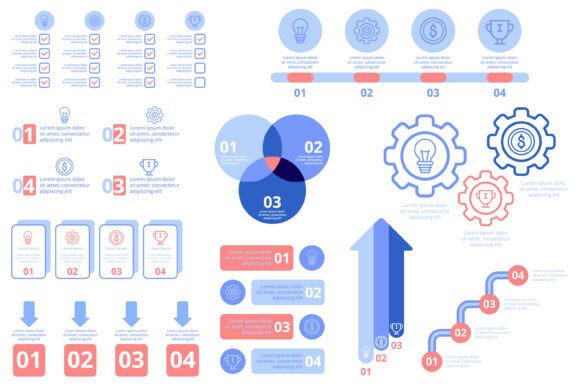
At the heart of any successful infographic layout for info are its visual elements. Charts, icons, and diagrams work together to create a cohesive narrative. Each component plays a specific role in guiding the viewer through the content.
Charts, for instance, are ideal for displaying trends, comparisons, and statistical data. A bar chart can illustrate sales growth over time, while a pie chart breaks down percentages clearly. When integrated into an infographic layout for info, these visuals help readers see patterns and relationships that might not be obvious in text alone.
Icons add another layer of clarity. They serve as quick references for concepts, actions, or categories. For example, a gear icon might represent a technical process, while a globe icon could signal global reach. In an infographic layout for info, icons act as visual cues, reinforcing the message without overwhelming the reader.
Diagrams and flowcharts are also essential in an infographic layout for info. They provide a step-by-step breakdown of processes, making them invaluable in instructional or explanatory content. Whether it’s a workflow, a scientific process, or a business strategy, a diagram can make the abstract tangible.
Designing an Effective Infographic Layout for Info
Creating an infographic layout for info requires more than just placing visuals on a page. It involves thoughtful design choices that prioritize readability and engagement. The layout must guide the viewer through the content logically, ensuring that each element supports the overall message.
One of the first considerations is the hierarchy of information. Important points should be emphasized through size, color, or placement. A strong headline, bold subheadings, and clear callouts help direct attention where it matters most. This approach is especially crucial in an infographic layout for info, where the goal is to communicate efficiently.
Color schemes also play a critical role. A consistent palette not only enhances aesthetics but also helps in differentiating sections. Using contrasting colors for key data points or headings makes the infographic more scannable. However, it’s important to avoid overly bright or clashing colors that can distract from the content.
Typography is another key factor. Choosing the right fonts ensures that the text is both readable and visually appealing. Sans-serif fonts are often preferred for digital infographics because they are clean and easy to read on screens. In an infographic layout for info, the font choice should support the tone of the content—professional, casual, or creative, depending on the audience.
Practical Benefits of an Infographic Layout for Info
There are numerous practical benefits to using an infographic layout for info. One of the most significant is improved comprehension. Studies show that people process visual information faster than text. By incorporating visuals, an infographic layout for info can help audiences understand complex ideas more quickly.
Another advantage is increased engagement. In a world filled with information overload, infographics stand out. They capture attention and encourage interaction, making them ideal for social media, presentations, and educational materials. An infographic layout for info can turn a dry topic into something engaging and memorable.
Moreover, infographics are highly shareable. Their visual nature makes them suitable for platforms like LinkedIn, Twitter, and Instagram. Businesses and educators alike use infographics to disseminate information effectively. An infographic layout for info can serve as a powerful tool for branding, education, and communication.
Scenarios Where Infographic Layout for Info Shines
Infographic layouts for info are versatile and applicable in various scenarios. In the business world, they are used to present financial reports, market trends, and project timelines. For example, a company might use an infographic layout for info to showcase its annual performance, highlighting key achievements and future goals.
In education, infographics help students grasp difficult concepts. A science teacher might use an infographic layout for info to explain the human body, breaking down systems and functions with visual aids. Similarly, history lessons can benefit from timelines and maps presented in an infographic format.
Healthcare professionals also use infographic layouts for info to explain medical conditions, treatment options, and wellness tips. Patients often find visual explanations easier to understand, especially when dealing with complex health information. An infographic layout for info can make this information more accessible and less intimidating.
Recommendations for Creating an Effective Infographic Layout for Info
If you’re looking to create an infographic layout for info, start by defining your objective. What message do you want to convey? Who is your audience? Answering these questions will help shape the content and design of your infographic.
Next, gather your data and organize it logically. Identify the key points you want to highlight and decide how to present them visually. Use charts, icons, and diagrams to break down complex information into manageable parts.
Finally, test your infographic with a sample audience. Ask for feedback and make adjustments as needed. A well-designed infographic layout for info should be clear, engaging, and informative. With careful planning and execution, it can become a valuable resource for your audience.