Numbers: A Sleek, Minimalistic Font for Modern Workflows
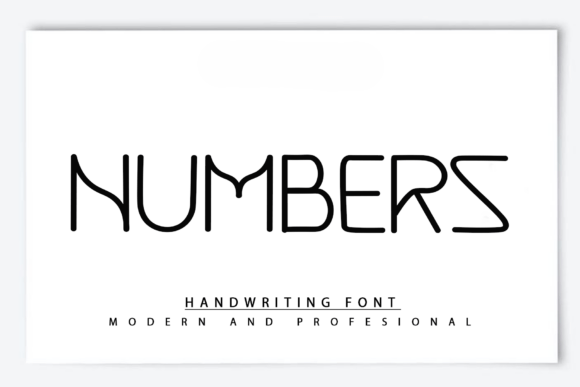
Numbers is more than just a font—it's a tool that enhances clarity and style in a wide range of professional and creative contexts. Designed with a monoline structure and subtle geometric curves, it offers a clean, futuristic aesthetic that aligns perfectly with modern design principles. Whether you're working on tech branding, data visualization, or educational materials, Numbers provides the precision and personality needed to elevate your output.
Understanding Numbers and Its Role in Design Workflows
At its core, Numbers is a handwriting font that balances human touch with technical accuracy. Unlike traditional handwritten fonts that can feel inconsistent or messy, Numbers maintains a structured form while still evoking a sense of authenticity. This makes it ideal for projects where readability and visual appeal are equally important.
In design workflows, Numbers fits seamlessly into both digital and print environments. It’s particularly useful when you need to convey information clearly without sacrificing style. For instance, in infographics or presentations, using Numbers can help draw attention to key data points while maintaining an overall cohesive look.
Integrating Numbers into Your Creative Process
Before starting a project, consider how typography influences the final outcome. Choosing the right font can set the tone and guide the viewer’s interpretation. With Numbers, you’re not just selecting a typeface—you’re making a statement about professionalism and innovation.
During the design phase, Numbers can be used alongside other tools like graphic design software, presentation platforms, or content management systems. Its compatibility with most design programs ensures that it can be integrated without disrupting existing workflows. For example, if you're creating a website or app interface, using Numbers for headings or labels can add a modern flair without overwhelming the user experience.
After completing a project, Numbers can also play a role in quality control. Consistent use of the font across all deliverables helps maintain brand identity and reinforces a polished appearance. This is especially important for businesses that rely on visual consistency to build trust and recognition.
Practical Use Cases for Numbers
Numbers isn’t limited to a single industry or application. Its versatility allows it to be used in various scenarios, from marketing campaigns to academic publications. Here are a few examples of how it can be applied:
- Tech Branding: Startups and tech companies often seek fonts that reflect innovation and forward-thinking. Numbers offers a sleek, minimalistic look that aligns with these values.
- Data Visualization: When presenting complex information, clarity is essential. Numbers helps ensure that numbers and labels remain legible even in dense layouts.
- Educational Materials: Teachers and educators can use Numbers to create visually engaging lesson plans, handouts, or digital content that captures students’ attention without compromising readability.
- Modern Logo Design: Logos that incorporate Numbers can strike a balance between creativity and professionalism, making them suitable for a wide range of industries.
Workflow Tips for Using Numbers Effectively
To get the most out of Numbers, consider the following practical tips:
- Plan Ahead: Before integrating Numbers into your project, think about where it will be used and how it will interact with other elements. This helps avoid last-minute adjustments and ensures a cohesive design.
- Test Across Platforms: Ensure that Numbers displays correctly on different devices and screen sizes. This is especially important for digital content that will be viewed on multiple platforms.
- Pair with Complementary Fonts: While Numbers is a strong standalone font, pairing it with a more traditional typeface can add depth and contrast to your design. For example, using a serif font for body text and Numbers for headings can create a balanced visual hierarchy.
- Use It Sparingly: Because of its distinctive style, Numbers works best when used selectively. Overusing it can dilute its impact and make your design feel cluttered.
Numbers in Everyday Professional and Personal Tasks
Even outside of formal design projects, Numbers can be a valuable asset in daily tasks. For instance, when creating to-do lists, schedules, or personal notes, using Numbers can make your writing stand out while maintaining a clean, organized appearance.
For professionals who work with data, such as analysts or researchers, Numbers can help present findings in a way that’s both informative and visually appealing. It’s also useful for entrepreneurs who want to create branded documents, proposals, or marketing materials that reflect their business’s identity.
Long-Term Benefits of Using Numbers
One of the key advantages of Numbers is its long-term usability. Unlike trendy fonts that may fall out of favor, Numbers remains relevant due to its timeless design. This makes it a smart choice for businesses and individuals looking for a font that will continue to serve them over time.
Additionally, Numbers supports a wide range of languages and character sets, making it a versatile option for global audiences. This is particularly beneficial for companies that operate in multiple regions or cater to diverse customer bases.
Conclusion: Embracing Numbers for Clarity and Style
Numbers is more than just a font—it's a strategic choice that can enhance the quality and effectiveness of your work. By combining a minimalistic design with a futuristic edge, it offers a unique solution for professionals and creators who value both clarity and style. Whether you're designing a logo, preparing a presentation, or organizing your daily tasks, Numbers can help you achieve a polished, professional look that stands out in today’s competitive landscape.