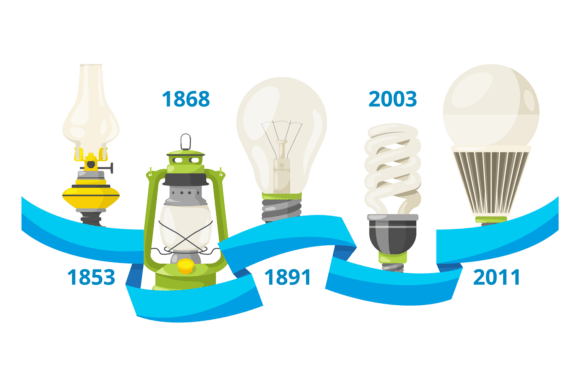
The Evolution of Electric Lamps and the Future of Light Technology
The journey of electric lamps has been one of continuous innovation, driven by the need for more efficient, versatile, and sustainable lighting solutions. From the earliest incandescent bulbs to today's smart LED systems, the evolution of electric lamps reflects broader advancements in light technology. This transformation is not just about brightness or energy savings—it's about how we interact with light in our daily lives, workspaces, and environments.
Light technology has moved far beyond simple illumination. Modern electric lamps now integrate with smart home systems, respond to environmental conditions, and adapt to user preferences. The concept of Electric Lamp Evolution encapsulates this progression, highlighting how each generation of lighting builds upon the last, improving performance, reducing waste, and enhancing user experience.
From Incandescence to Smart Lighting: A Historical Perspective
The history of electric lamps began with Thomas Edison’s invention of the practical incandescent bulb in the late 19th century. These early lamps were simple, effective, and widely adopted, but they had significant limitations—low efficiency, short lifespan, and high energy consumption. Over time, new technologies emerged, such as fluorescent lighting, which offered better efficiency and longer life spans.
The introduction of Light Emitting Diodes (LEDs) marked a turning point. LEDs are not only more energy-efficient than traditional bulbs but also offer greater flexibility in design and application. Today, electric lamps powered by LED technology are found in everything from household fixtures to industrial lighting systems, demonstrating the vast potential of modern light technology.
Key Characteristics of Modern Electric Lamps
Modern electric lamps are defined by several key characteristics that set them apart from their predecessors. One of the most notable is their energy efficiency. Unlike incandescent bulbs, which convert most of their energy into heat, LEDs convert a higher percentage into visible light, significantly reducing power consumption.
Another defining feature is the longevity of LED-based lamps. While traditional bulbs may last a few thousand hours, many LED lamps can operate for tens of thousands of hours, reducing the need for frequent replacements. This durability makes them an attractive option for both residential and commercial applications.
Additionally, modern electric lamps often come with adjustable brightness and color temperature settings. This allows users to customize their lighting environment, whether it’s creating a warm, cozy atmosphere at home or a bright, focused workspace. Such features are part of the broader trend toward personalized and responsive lighting solutions.
Advantages of Electric Lamp Evolution
The evolution of electric lamps has brought numerous advantages that extend beyond mere illumination. One of the most significant benefits is the reduction in energy costs. With lower power consumption and longer lifespans, LED lamps provide long-term cost savings, making them a financially viable choice for individuals and businesses alike.
Environmental impact is another major advantage. Traditional lighting sources, especially those based on incandescent or fluorescent technology, contain hazardous materials and contribute to higher carbon emissions. In contrast, LED lamps are free from toxic substances and have a much smaller ecological footprint, aligning with global sustainability goals.
Moreover, the integration of smart technology into electric lamps has expanded their functionality. Smart bulbs can be controlled via mobile apps, voice assistants, or automated systems, offering convenience and enhanced control over lighting environments. This level of customization and connectivity is a testament to the ongoing Electric Lamp Evolution.
Use Cases and Real-World Applications
The versatility of modern electric lamps makes them suitable for a wide range of applications. In residential settings, homeowners use LED lamps to create energy-efficient lighting schemes that enhance comfort and aesthetics. Smart lighting systems allow for remote control and automation, making it easier to manage home environments.
In commercial spaces, electric lamps play a crucial role in optimizing productivity and ambiance. Office buildings, retail stores, and hospitality venues often rely on LED lighting to reduce operational costs while maintaining high-quality illumination. The ability to adjust lighting levels based on occupancy or time of day further enhances efficiency.
Industrial and outdoor applications also benefit from the advancements in electric lamp technology. High-intensity LED lights are used in warehouses, parking lots, and street lighting, providing reliable and durable illumination. These systems are designed to withstand harsh conditions, ensuring consistent performance over time.
Considerations When Choosing Electric Lamps
While the benefits of modern electric lamps are clear, there are several factors to consider when selecting the right lighting solution. One important consideration is the type of light output required. Different applications may call for varying color temperatures, beam angles, or brightness levels, so it’s essential to choose lamps that match specific needs.
Another factor is compatibility with existing systems. For example, smart lamps must be compatible with the user’s home automation platform or mobile device. Ensuring seamless integration can prevent frustration and maximize the value of the investment.
Finally, the quality of the product should not be overlooked. Not all LED lamps are created equal—some may offer inferior performance, shorter lifespans, or poor color rendering. It’s advisable to research reputable brands and read reviews before making a purchase decision.
The Role of Infographics in Understanding Light Technology
Visual representations, such as infographics, play a valuable role in explaining complex concepts like light technology. An infographic that isolates the components of an electric lamp against a white background can help users understand how different elements contribute to the overall function of the device. Whether presented as an EPS, JPG, or transparent PNG file, these visuals serve as effective tools for education and communication.
Such infographics can illustrate the transition from traditional lighting to modern LED systems, highlighting improvements in efficiency, longevity, and functionality. They can also demonstrate the various applications of electric lamps across different industries, making it easier for audiences to grasp the significance of Electric Lamp Evolution.
Looking Ahead: The Future of Light Technology
The future of light technology promises even greater innovations. Researchers are exploring new materials, such as quantum dots and organic LEDs, which could lead to even more efficient and flexible lighting solutions. Additionally, advancements in artificial intelligence and machine learning may enable lamps to adapt to user behavior and environmental changes in real-time.
As the Electric Lamp Evolution continues, the focus will likely remain on sustainability, efficiency, and user experience. The integration of lighting with other smart technologies will further blur the lines between illumination and intelligent environments, redefining how we interact with light in everyday life.