Understanding the Clear Process Steps Infographic
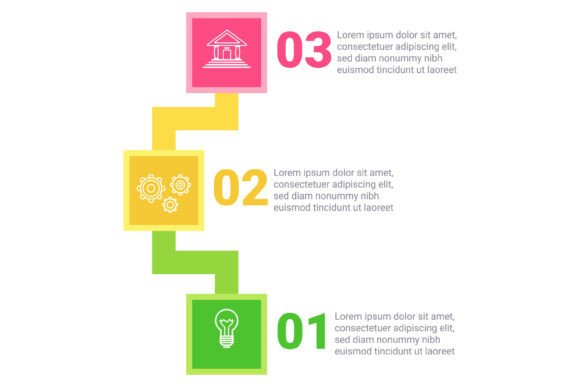
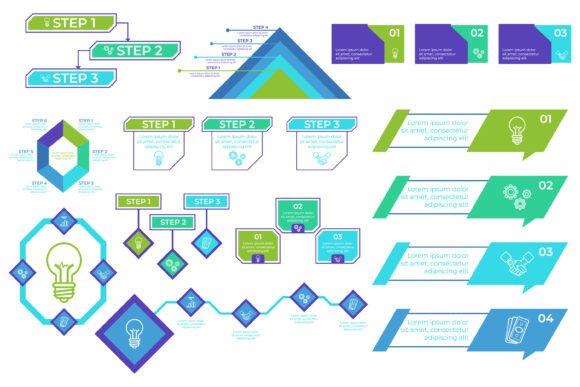
The Clear Process Steps Infographic is a visual tool designed to simplify complex procedures by breaking them down into digestible, step-by-step components. This infographic typically features a six-step process diagram on one side and a three-step flowchart on the other, offering users two distinct yet complementary views of the same workflow. By combining detailed explanations with simplified visuals, it caters to different learning styles and helps users grasp the core concepts more effectively.
Whether you're looking to streamline operations, improve team communication, or enhance client understanding, this infographic provides a structured approach that can be adapted to various industries and scenarios. Its design emphasizes clarity, making it an ideal resource for those who need to convey information in a straightforward manner.
Why Someone Might Be Interested in the Clear Process Steps Infographic
Individuals and organizations often turn to the Clear Process Steps Infographic when they need to present a multi-stage process in an easy-to-digest format. This could include project management teams seeking to outline task dependencies, educators aiming to explain a scientific method, or businesses looking to clarify customer onboarding procedures.
The infographic’s dual structure—featuring both a detailed and a simplified view—makes it particularly useful for audiences with varying levels of expertise. For example, a manager might use the six-step diagram to guide a team through a complex project, while a client might refer to the three-step flowchart to understand the overall process without getting bogged down in details.
Benefits and Considerations of Using the Clear Process Steps Infographic
One of the primary benefits of the Clear Process Steps Infographic is its ability to enhance comprehension. By visually representing each stage of a process, it reduces the cognitive load associated with reading lengthy text descriptions. This makes it especially valuable in settings where quick decision-making or clear communication is essential.
Another advantage is its adaptability. The infographic can be customized to fit specific needs, whether it's for internal documentation, external marketing materials, or training resources. Additionally, its visual nature supports better retention, as people tend to remember information presented in a graphical format more effectively than text alone.
However, there are some tradeoffs to consider. While the infographic simplifies processes, it may not capture the nuances of every step. In highly technical or specialized fields, additional context might be necessary to ensure full understanding. Furthermore, creating a high-quality infographic requires careful planning and design, which can be time-consuming if done manually.
Situations Where the Clear Process Steps Infographic Is a Strong Fit
The Clear Process Steps Infographic is particularly effective in situations where clarity and simplicity are priorities. For instance, in educational settings, it can help students visualize complex topics such as chemical reactions, historical events, or software development workflows. In business environments, it can serve as a reference tool for onboarding new employees or explaining company policies.
It is also well-suited for digital content creation. Marketers, for example, can use the infographic to break down customer journey stages, while developers might use it to illustrate application workflows. In all these cases, the infographic acts as a bridge between abstract concepts and concrete actions, making it easier for users to follow and implement the process.
Situations Where Alternatives May Be Worth Considering
While the Clear Process Steps Infographic is a powerful tool, it may not always be the best choice. In scenarios requiring deep technical detail, such as engineering blueprints or legal documentation, a more comprehensive format might be necessary. Similarly, for processes that involve a high degree of variability or conditional steps, a static infographic may not provide enough flexibility.
In such cases, alternatives like interactive digital tools, video tutorials, or detailed written guides could offer a more nuanced approach. These formats allow for greater customization and can accommodate dynamic elements that a static infographic cannot. However, they may also require more time and resources to produce and maintain.
Practical Decision-Making Insights
When deciding whether to use the Clear Process Steps Infographic, it's important to assess your specific needs. Ask yourself: What is the goal of the information? Who is the audience? What level of detail is required? These questions can help determine whether the infographic will meet your objectives or if a different approach would be more appropriate.
If your goal is to communicate a process in a way that is easy to understand and share, the infographic is likely a strong option. However, if your audience requires in-depth analysis or the process involves multiple variables, you may need to supplement the infographic with additional resources.
Ultimately, the effectiveness of the Clear Process Steps Infographic depends on how well it aligns with your needs and the expectations of your audience. By carefully evaluating these factors, you can make an informed decision about whether it is the right tool for your situation.